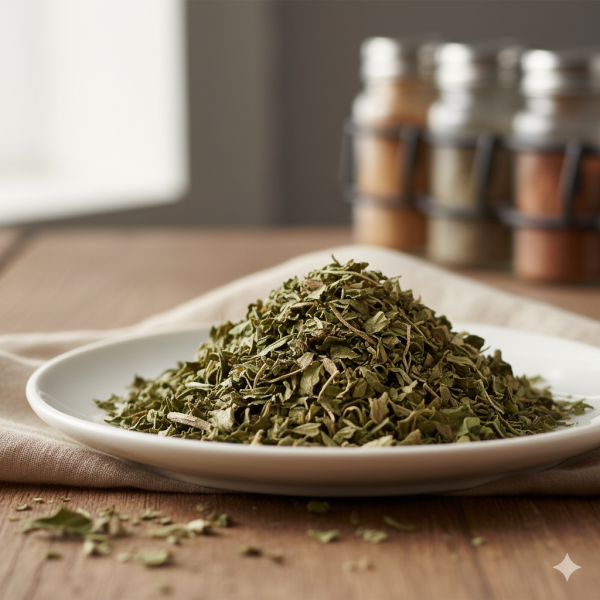
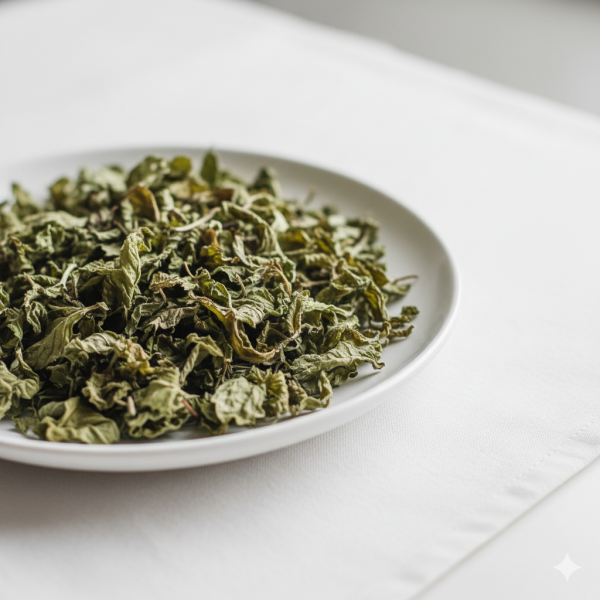
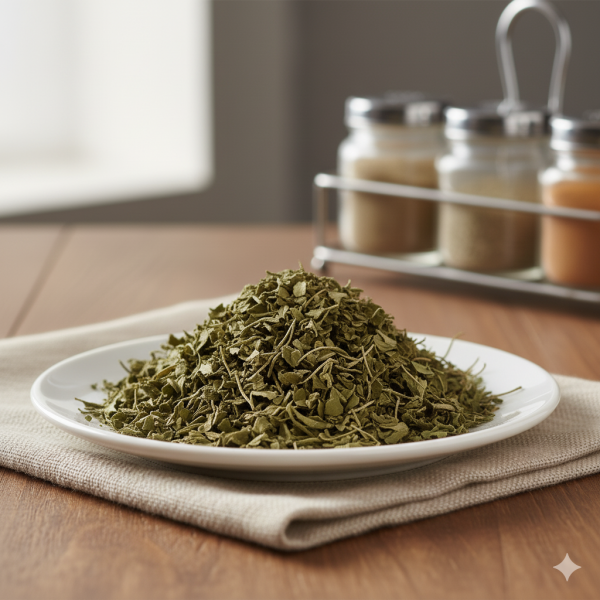
Thyme (Thymus vulgaris) is a small, aromatic perennial herb belonging to the mint family (Lamiaceae). Native to the Mediterranean region, thyme has a warm, earthy, and slightly minty flavor with subtle lemony notes.
It has been valued for centuries, not only as a culinary herb but also for its medicinal and preservative properties. The essential oil of thyme contains thymol, a compound with strong antiseptic qualities.
Key Benefits
Rich in vitamins and minerals – Especially Vitamin C, Vitamin A, iron, and manganese.
Antimicrobial & antiseptic – Traditionally used for infections and wound care.
Respiratory support – Helps relieve coughs, colds, and sore throats.
Digestive aid – Reduces gas, bloating, and improves appetite.
Antioxidant-rich – Protects cells and supports overall immunity.
Where It’s Used (Culinary Applications)
Mediterranean cuisine – Widely used in soups, stews, roasted meats, and vegetables.
Herb blends – Key ingredient in Herbes de Provence and bouquet garni.
Marinades & rubs – Pairs well with chicken, lamb, and fish.
Breads & butters – Infused into herb butter and savory breads.
Teas & infusions – Used for both flavor and medicinal benefits.