Eastland Ingredients

Oregano

Latin (botanical) name : Origanum vulgare
Introduction / Overview

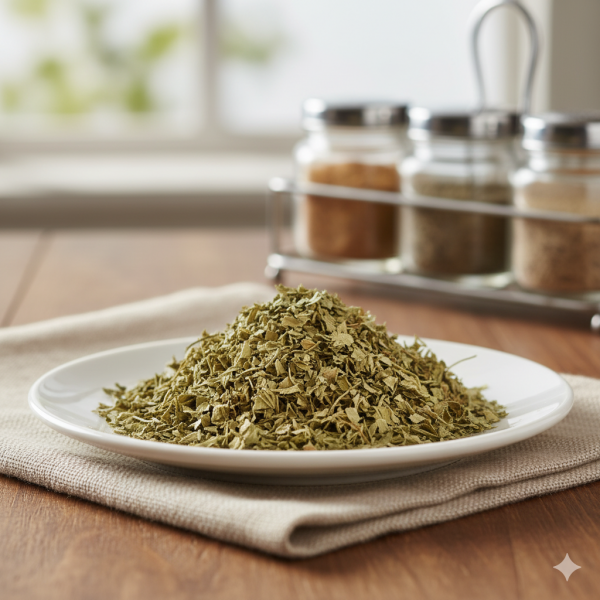
Oregano (Origanum vulgare) is a Mediterranean herb from the mint family (Lamiaceae) and is a staple in many global cuisines. Known as the “pizza herb”, it has a robust, earthy, and slightly peppery flavor with a hint of bitterness. Oregano is closely related to marjoram, though it has a stronger and more pungent taste.

Its essential oil, rich in carvacrol and thymol, contributes to both its culinary strength and medicinal value.


Key Benefits
  • Antioxidant-rich – Helps fight free radicals and supports immunity.
  • Antibacterial & antifungal – Natural compounds protect against harmful microbes.
  • Anti-inflammatory – Carvacrol supports joint and gut health.
  • Digestive aid – Stimulates appetite and improves digestion.
  • Respiratory support – Oregano oil helps ease coughs and congestion.

Where It’s Used (Culinary Applications)
  • Italian cuisine – Essential in pizza, pasta sauces, bruschetta, and lasagna.
  • Mediterranean cooking – Used in grilled meats, marinades, and roasted vegetables.
  • Greek dishes – Key herb in Greek salad, souvlaki, and roasted lamb.
  • Mexican cuisine – Adds depth to chili, beans, and salsas.
  • Herbal teas & infusions – Oregano tea is consumed for its soothing properties.

    Our Products

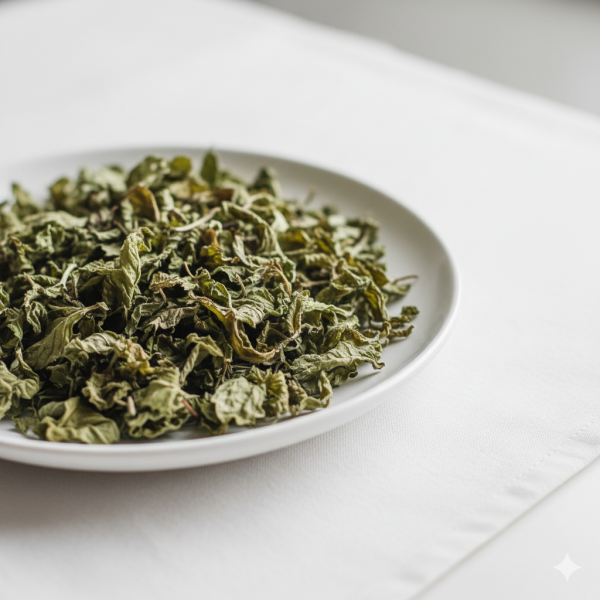
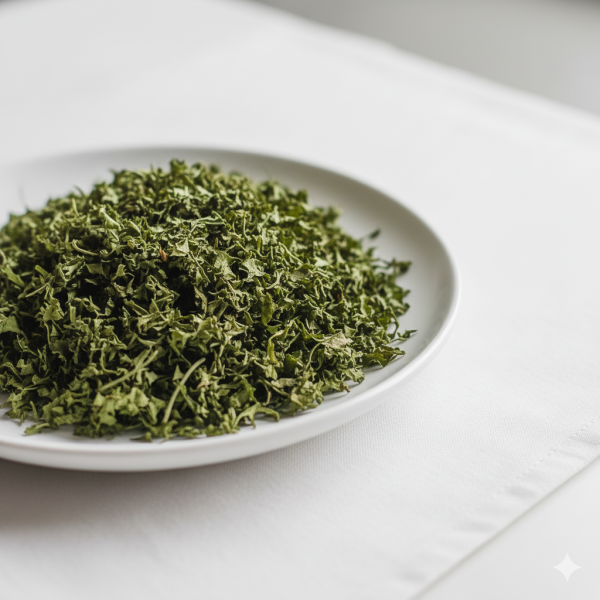
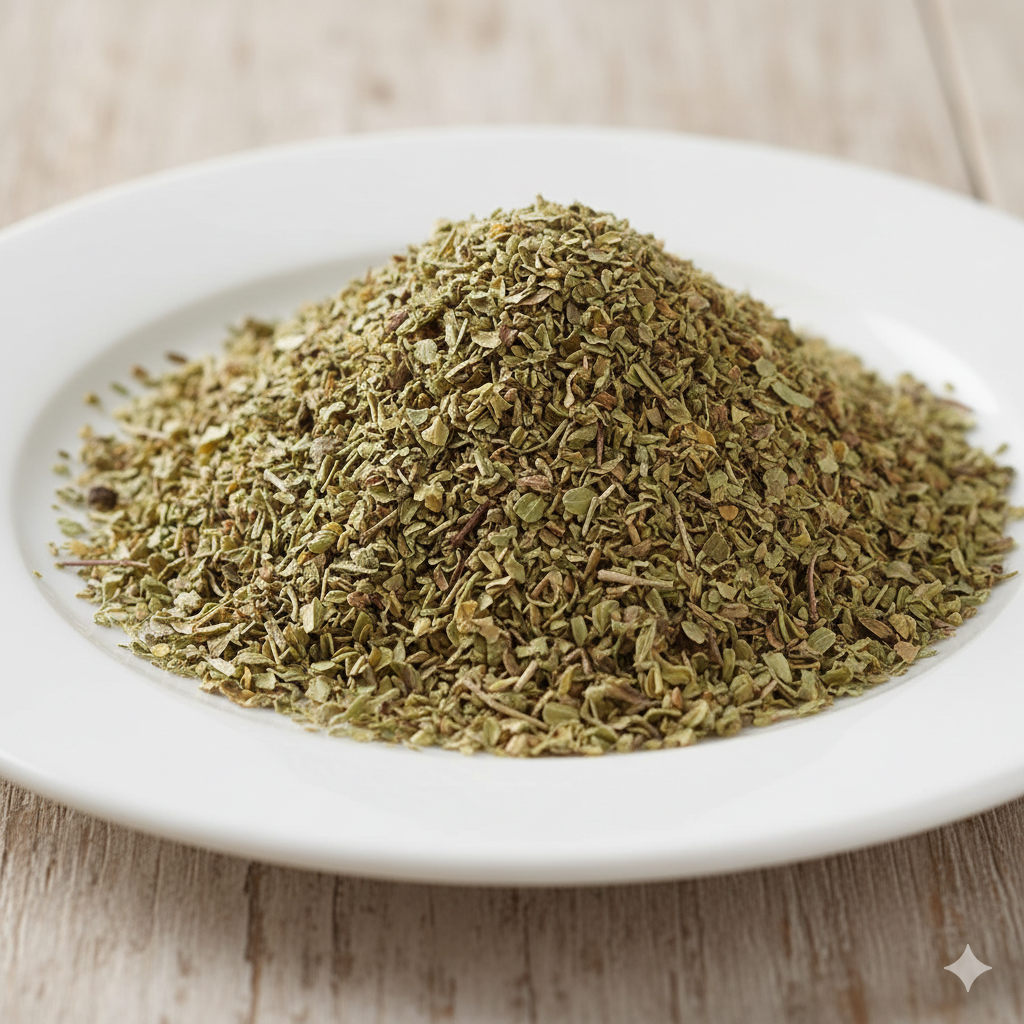
    * Oregano Rubbed

    * Oregano Rubbed HT

    * Oregano Ground HT

Category:

Description


Available Forms

  • Fresh oregano leaves – More subtle flavor, often used in Mediterranean cooking.
  • Dried oregano – Stronger and more concentrated, widely used in spice blends.
  • Oregano powder – Convenient for seasoning and spice mixes.
  • Oregano oil (essential oil or extract) – For medicinal, culinary, and preservative uses.

Additional Information / Fun Facts

  • The name “oregano” comes from Greek words “oros” (mountain) and “ganos” (joy) – meaning “joy of the mountain.”
  • In ancient Greece, oregano symbolized happiness and good luck.
  • It was traditionally used to preserve meat due to its antimicrobial properties.
  • Oregano oil is one of the strongest natural antibiotics found in nature.
  • Compared to marjoram, oregano is bolder and spicier, while marjoram is milder and sweeter.


Quick Facts
  • Botanical Name: Origanum vulgare
  • Family: Lamiaceae (Mint family)
  • Flavor Profile: Robust, earthy, peppery, slightly bitter
  • Origin: Mediterranean region, now cultivated worldwide
  • Other Names: Wild Marjoram, Rigani (Greek), Origano (Italian/Spanish)
  • Storage:
    • Fresh: Refrigerate for 3–5 days wrapped in damp paper towel.
    • Dried: Airtight container, up to 1 year.
  • Cooking Tip: Oregano’s flavor intensifies when dried—use dried oregano for sauces and fresh leaves for finishing dishes.
Select the fields to be shown. Others will be hidden. Drag and drop to rearrange the order.
  • Image
  • SKU
  • Rating
  • Price
  • Stock
  • Availability
  • Add to cart
  • Description
  • Content
  • Weight
  • Dimensions
  • Additional information
Click outside to hide the comparison bar
Compare