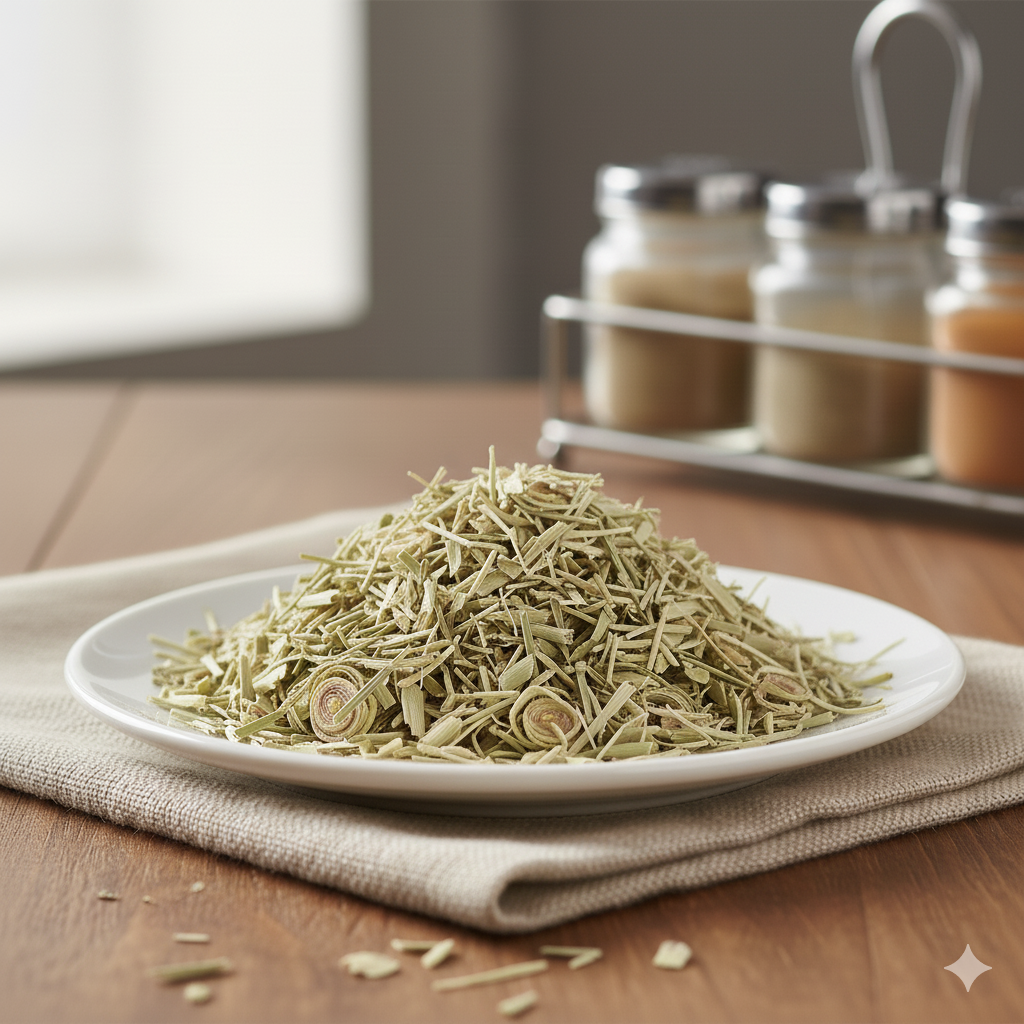
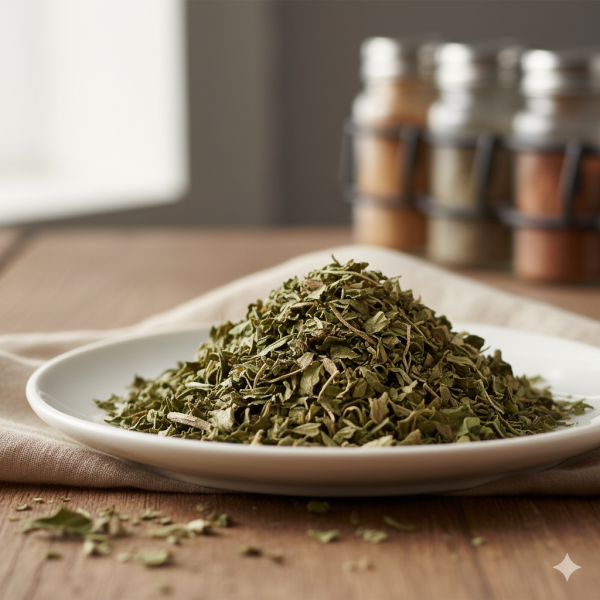
Latin (botanical) name : Cymbopogon citratus (common culinary type)
Introduction / Overview
Lemongrass (Cymbopogon citratus and related species) is a tall, perennial grass widely cultivated in tropical and subtropical regions. It has long, slender green stalks with a strong citrus-like aroma and a subtle herbal flavor.
It is a staple in Southeast Asian cuisines such as Thai, Vietnamese, and Indonesian cooking, and is also used in teas, herbal remedies, and essential oils. Lemongrass is valued not just for its refreshing taste but also for its medicinal and aromatic properties.
Key Benefits
Rich in antioxidants – Supports immunity and reduces cell damage.
Digestive health – Traditionally used to ease bloating, indigestion, and stomach cramps.
Anti-inflammatory & antimicrobial – Contains compounds like citral, which help fight infections.
Supports detoxification – Acts as a natural diuretic, promoting kidney and liver health.
Stress relief – Often used in aromatherapy for relaxation and reducing anxiety.
Blood sugar management – Preliminary studies suggest it may support healthy glucose levels.
Where It’s Used (Culinary Applications)
Soups & curries – Key ingredient in Thai Tom Yum soup, green curry, and Malaysian laksa.
Teas & infusions – Brewed as a soothing herbal tea, often blended with ginger or mint.
Marinades & sauces – Used with chicken, fish, and seafood for a citrusy flavor.
Rice & stir-fries – Infused into rice dishes for aroma.
Baked goods & desserts – Occasionally used in cakes, sorbets, and herbal syrups.
Beverages – Popular in cocktails, detox waters, and refreshing coolers.