Eastland Ingredients

Fenugreek Leaves (Methi)

Latin (botanical) name : Trigonella foenum-graecum
Introduction / Overview

Fenugreek leaves (Trigonella foenum-graecum) are an aromatic herb widely used in Indian, Middle Eastern, and Mediterranean cooking. Known as Methi in India, these leaves have a slightly bitter, nutty, and earthy flavor, similar to a mix of celery and maple.

While fenugreek seeds are commonly used as a spice, the fresh and dried leaves are a versatile herb in curries, flatbreads, pickles, and vegetable dishes. They are valued not only for their culinary applications but also for their medicinal benefits in traditional Ayurveda and herbal medicine.


Key Benefits
  • Rich in nutrients – High in iron, calcium, and vitamin K.
  • Supports digestion – Helps relieve indigestion and bloating.
  • Blood sugar regulation – Traditionally used to help manage diabetes.
  • Anti-inflammatory – Beneficial for joint and muscle health.
  • Good for skin & hair – Antioxidants support skin glow and reduce hair fall.
  • Boosts lactation – Used traditionally by nursing mothers to promote milk supply.

Where It’s Used (Culinary Applications)
  • Curries & gravies – Popular in Indian dishes like Methi Malai Paneer, Dal Methi, and Methi Chicken.
  • Breads & flatbreads – Fresh leaves are mixed into parathas and theplas.
  • Vegetable dishes – Combined with potatoes (Aloo Methi) or other greens.
  • Rice & pulao – Adds a distinctive flavor when cooked with rice.
  • Dried form (Kasuri Methi) – Crushed and sprinkled over butter chicken, curries, and dals for aroma.
  • Salads & stir-fries – Young leaves are used in fresh salads or lightly sautéed.

Our Products

* Fenugreek Leaves


Category:

Description


Available Forms

  • Fresh fenugreek leaves – Used in cooking and salads.
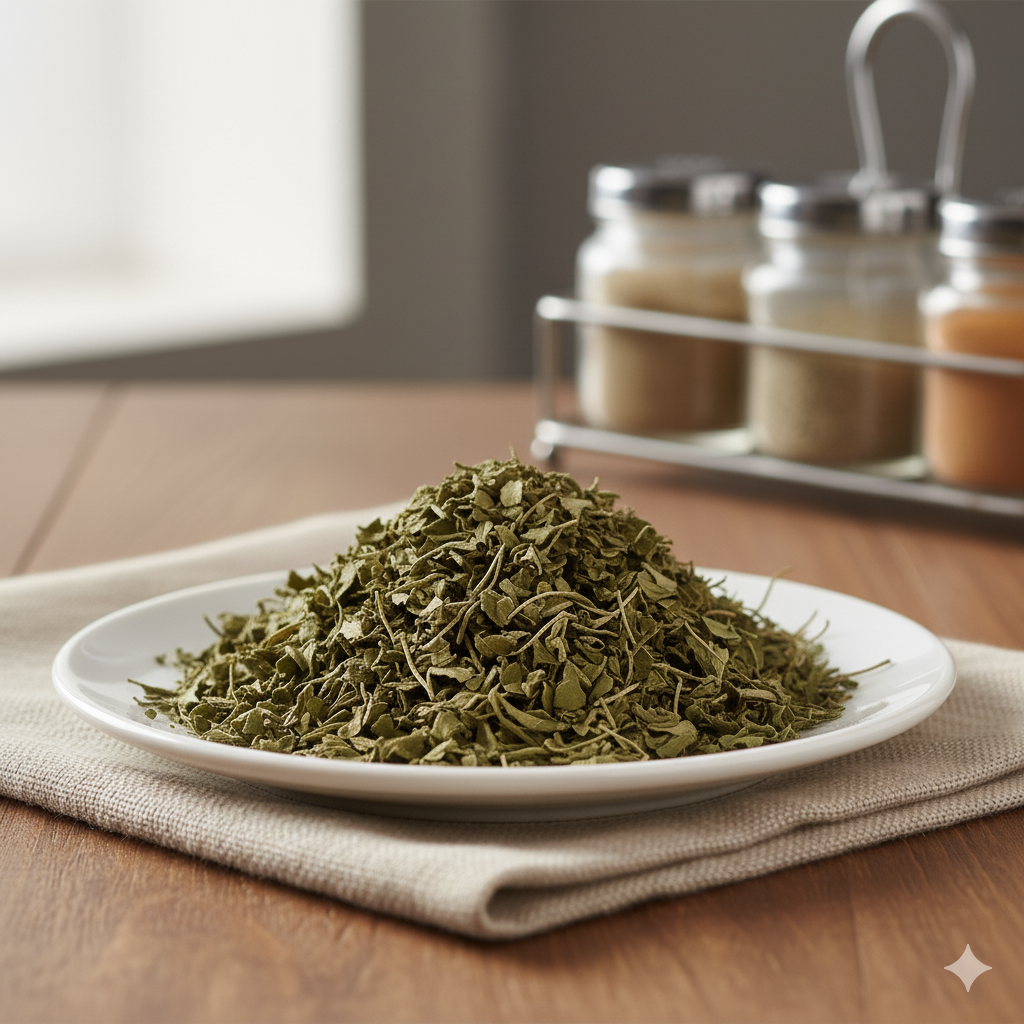
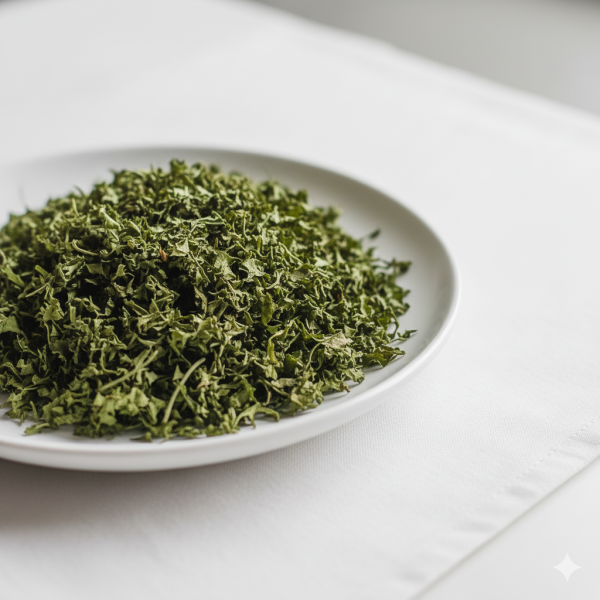
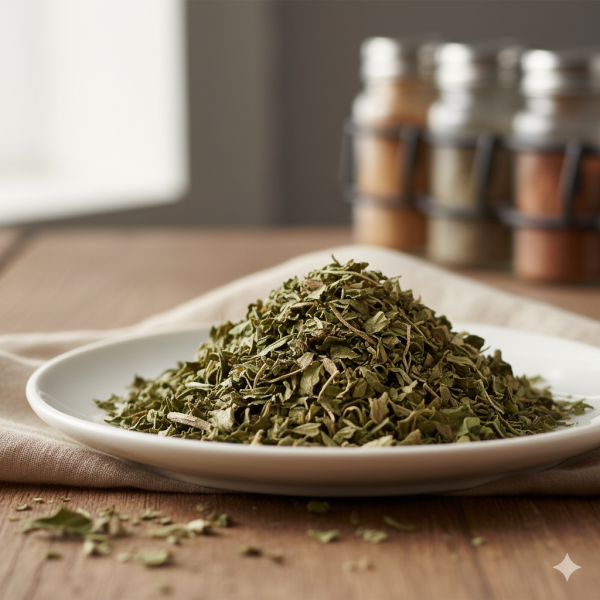
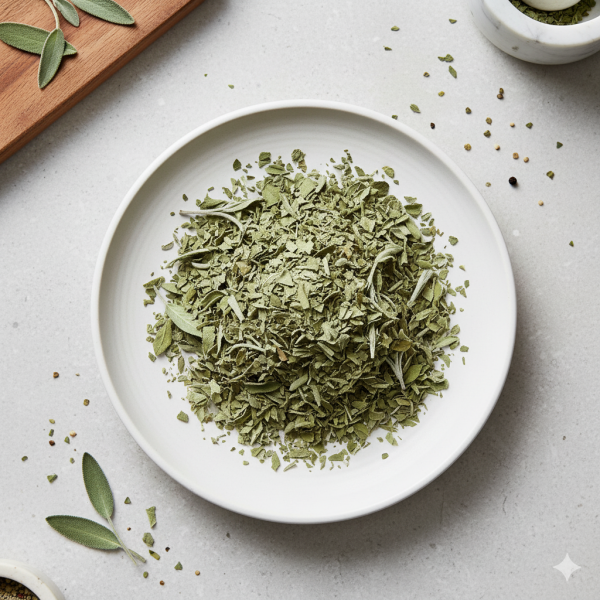
  • Dried leaves (Kasuri Methi) – Most common form for seasoning curries.
  • Frozen fenugreek leaves – Convenient for long-term use.
  • Fenugreek powder – Dried and powdered leaves available for herbal or culinary uses.

Additional Information / Fun Facts

  • The word fenugreek comes from Latin “foenum-graecum”, meaning “Greek hay,” as it was originally used as fodder.
  • Fenugreek has been used since ancient Egyptian times for medicinal and culinary purposes.
  • In Indian households, Kasuri Methi (from Kasur, Pakistan) is a kitchen staple for aroma and flavor.
  • Fenugreek leaves are often combined with high-carb foods like potatoes or rice to balance their bitterness with sweetness.
  • They are also part of Ayurvedic remedies for detoxification and blood purification.


Quick Facts

  • Botanical Name: Trigonella foenum-graecum
  • Family: Fabaceae (Legume family)
  • Flavor Profile: Earthy, nutty, mildly bitter, with maple-like undertones
  • Origin: Mediterranean, South Asia, Middle East
  • Other Names: Methi (India), Fenugrec (French), Hulba (Arabic)
  • Storage:
    • Fresh leaves last 3–4 days in the refrigerator.
    • Dried leaves (Kasuri Methi) keep for up to 1 year in airtight containers.
  • Cooking Tip: Add fresh fenugreek early in cooking for depth, but add Kasuri Methi at the end for aroma.
 
Select the fields to be shown. Others will be hidden. Drag and drop to rearrange the order.
  • Image
  • SKU
  • Rating
  • Price
  • Stock
  • Availability
  • Add to cart
  • Description
  • Content
  • Weight
  • Dimensions
  • Additional information
Click outside to hide the comparison bar
Compare