Eastland Ingredients

Dill (Tips & Seeds)

Latin (botanical) name : Anethum graveolens

Introduction / Overview

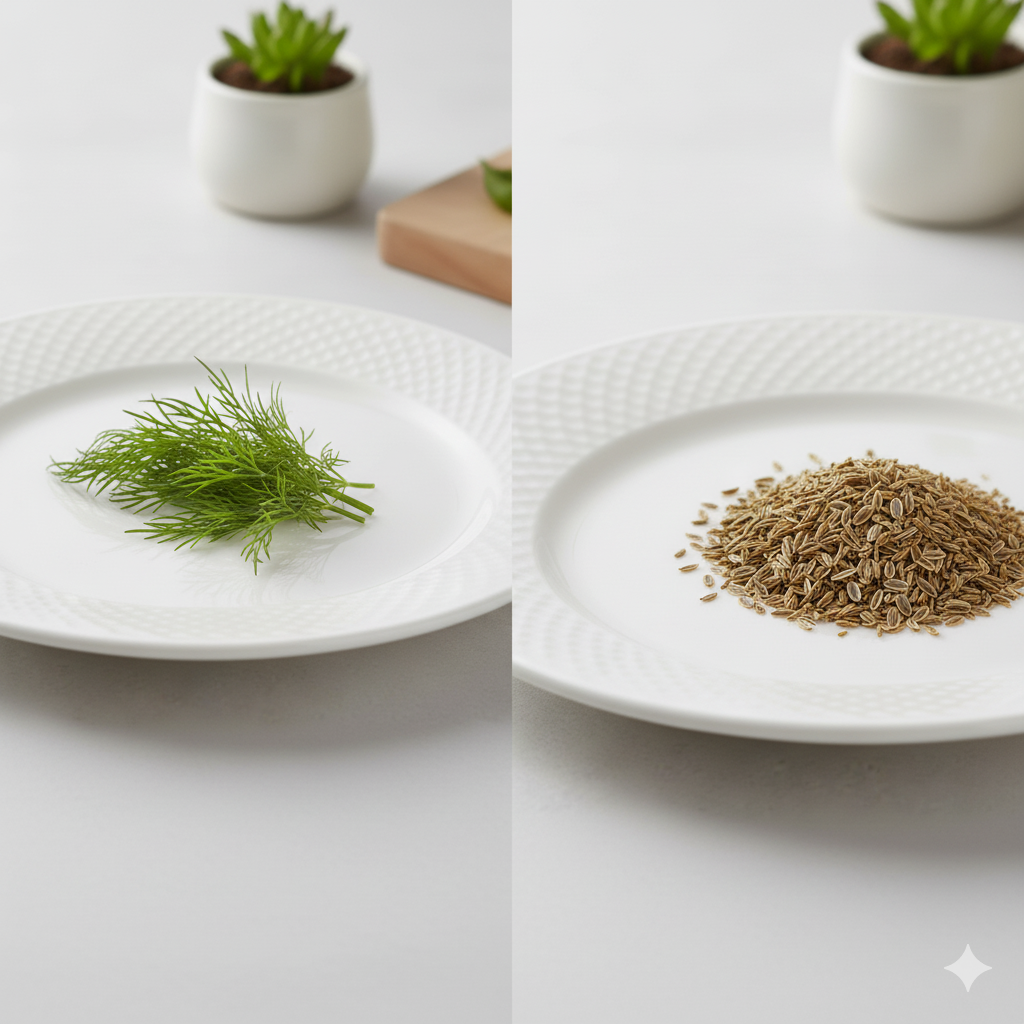
Dill (Anethum graveolens) is an aromatic herb in the celery family (Apiaceae), prized for both its feathery green leaves (dill tips) and its oval, flat seeds. The fresh leaves have a delicate, grassy, and slightly sweet flavor with hints of anise and lemon, while the seeds are stronger, with a warm, earthy taste resembling caraway.

Dill is widely used in European, Middle Eastern, Scandinavian, and South Asian cuisines, often paired with fish, potatoes, and yogurt-based dishes. Beyond cooking, dill has been valued for centuries for its digestive and medicinal properties.


Key Benefits

  • Rich in antioxidants – Supports immunity and reduces oxidative stress.
  • Vitamin powerhouse – Especially high in vitamin C, A, and manganese.
  • Digestive aid – Traditionally used to reduce bloating, indigestion, and gas.
  • Bone health – Provides calcium and magnesium.
  • Antimicrobial properties – Naturally helps protect against some bacterial growth.
  • Sleep & relaxation – Seeds have been used in traditional remedies to promote calmness.

Where It’s Used (Culinary Applications)

Dill Tips (Leaves):

  • Flavoring for soups, stews, and broths.
  • Popular in Scandinavian fish dishes (salmon gravlax, herring pickles).
  • Used in salads, dips, and dressings like tzatziki or potato salad.
  • Common in Indian curries and lentils for a fresh, herbal note.
  • Sprinkled as a garnish on eggs, breads, and roasted vegetables.

Dill Seeds:

  • Key spice in pickling brines (classic dill pickles).
  • Used in Indian spice blends and tempering (tadka) for dals and curries.
  • Infused into teas and tonics for digestive benefits.
  • Adds earthy warmth to breads, stews, and marinades.

Our Products

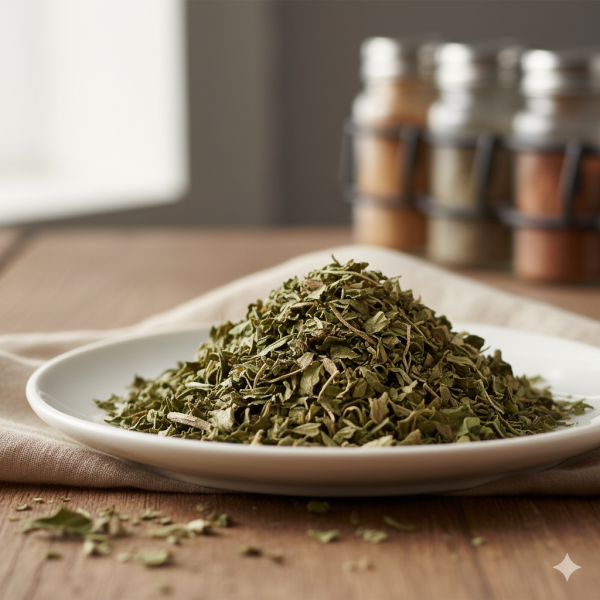
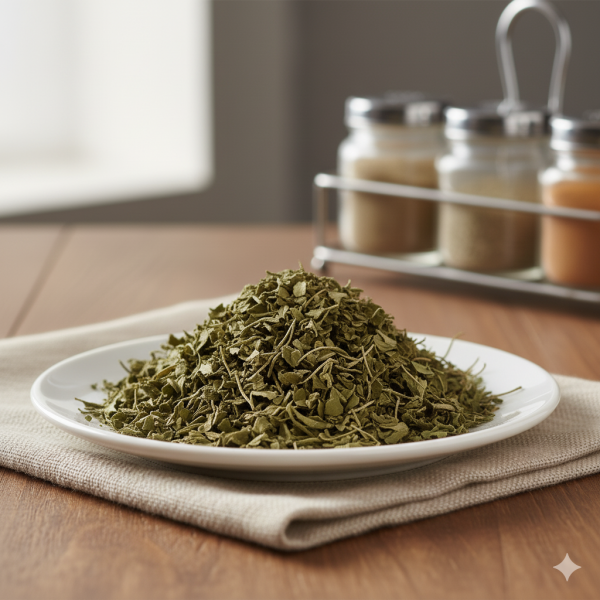
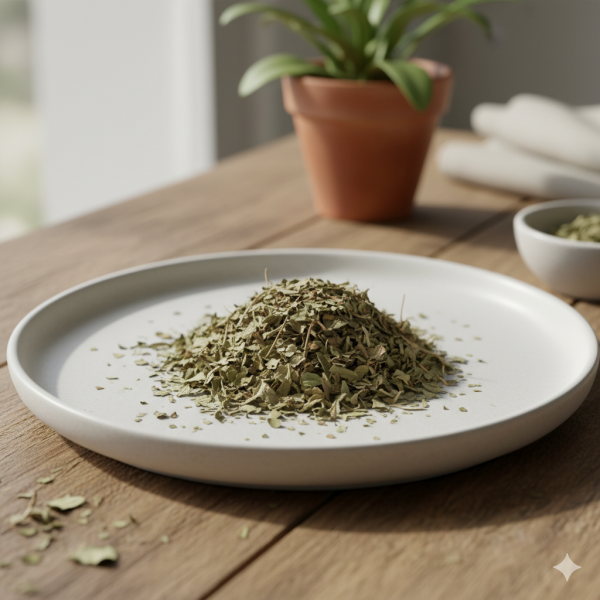
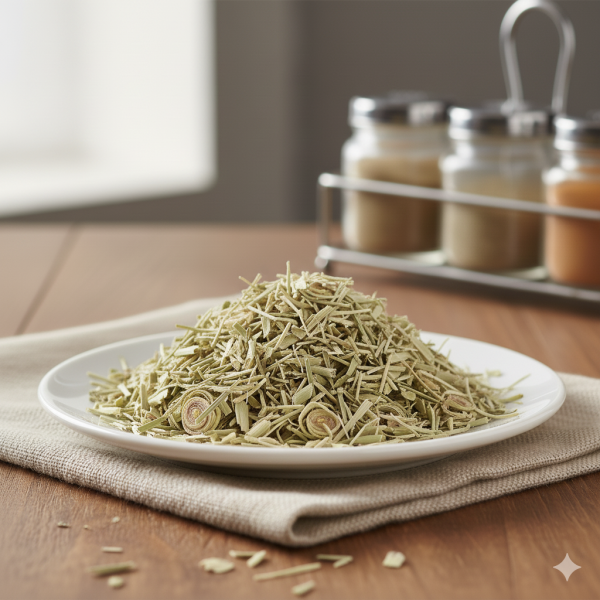
* Dill Tips

* Dill leaves

Category:

Description

Available Forms

  • Fresh dill tips (green leaves and stems)
  • Dried dill weed (less aromatic, used for seasoning)
  • Dill seeds (whole or ground)
  • Frozen dill (retains freshness longer than dried)
  • Essential oil/extracts (used in herbal remedies and flavoring)

Additional Information / Fun Facts

  • The name “dill” comes from the Old Norse word “dylla”, meaning “to soothe,” reflecting its traditional medicinal use.
  • In ancient Rome and Greece, dill was considered a symbol of wealth and vitality.
  • Dill water, made from seeds, was historically used as a remedy for infants’ colic.
  • Dill loses flavor quickly when heated, so fresh leaves are best added at the end of cooking.
  • In India, dill is called “Suva” (Hindi/Marathi) or “Shepu” and is used in stir-fries and lentil dishes.
  •  


Quick Facts

  • Botanical Name: Anethum graveolens
  • Family: Apiaceae (Parsley/Carrot family)
  • Flavor Profile:
    • Tips – fresh, citrusy, grassy, slightly sweet
    • Seeds – warm, earthy, caraway-like
  • Origin: Mediterranean and West Asia, now cultivated worldwide
  • Other Names: Dill Weed, Suva (India), Aneth (French), Koprov (Russian)
  • Storage:
    • Fresh tips last 2–3 days refrigerated (wrapped in damp paper towel).
    • Seeds store for up to 1 year in airtight containers.
  • Cooking Tip: Use leaves for freshness and seeds for depth in dishes.
Select the fields to be shown. Others will be hidden. Drag and drop to rearrange the order.
  • Image
  • SKU
  • Rating
  • Price
  • Stock
  • Availability
  • Add to cart
  • Description
  • Content
  • Weight
  • Dimensions
  • Additional information
Click outside to hide the comparison bar
Compare