Eastland Ingredients

Coriander Leaves (Cilantro)

Latin (botanical) name : Coriandrum sativum
Introduction / Overview

Coriander leaves, also known as cilantro in North America, come from the Coriandrum sativum plant, which belongs to the parsley family (Apiaceae). While the seeds are used as a spice, the leaves and stems are a fresh, green herb with a bright citrusy, slightly peppery, and pungent flavor.

They are a staple in Asian, Latin American, Middle Eastern, and Mediterranean cuisines. Interestingly, some people perceive coriander leaves as “soapy” due to genetic variations in smell receptors, making it a divisive herb worldwide.


Key Benefits
  • Rich in vitamins & minerals – High in vitamin K (supports bone health), vitamin C (boosts immunity), and vitamin A (eye health).
  • Detoxifying properties – Helps the body remove heavy metals like lead and mercury.
  • Antioxidant-rich – Fights free radicals and reduces oxidative stress.
  • Blood sugar regulation – Studies suggest coriander leaves may help lower blood sugar.
  • Digestive aid – Traditionally used to reduce bloating, gas, and indigestion.
  • Anti-inflammatory – Compounds may support joint and heart health.

Where It’s Used (Culinary Applications)
  • Garnish – Freshly chopped on curries, dals, soups, and rice for freshness.
  • Chutneys & sauces – Used in Indian coriander chutney, Mexican salsa verde, guacamole, and Thai green curry pastes.
  • Salads – Common in tabbouleh, kachumber, and Mexican-style salads.
  • Marinades – Blended with garlic, chili, and lemon for meat, fish, or tofu.
  • Soups & broths – Enhances Asian noodle soups and Middle Eastern lentil soups.
  • Juices & beverages – Sometimes added to detox drinks and herbal teas.Our Products

    * Coriander leaves

Category:

Description


Available Forms

  • Fresh leaves and stems – Most commonly used, either raw or lightly cooked.
  • Frozen leaves – Preserved for longer shelf life, retaining much of the flavor.
  • Coriander paste/purée – Convenient form for chutneys, sauces, and marinades.
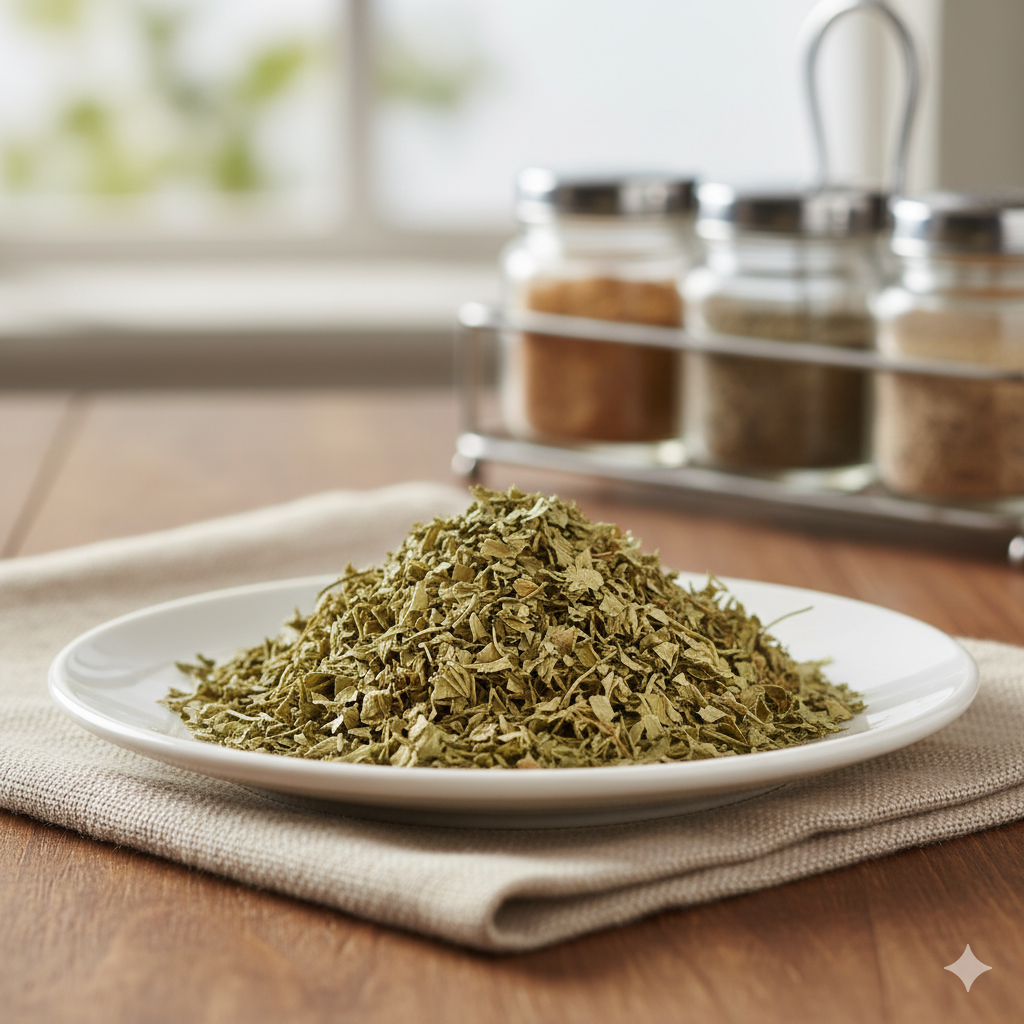
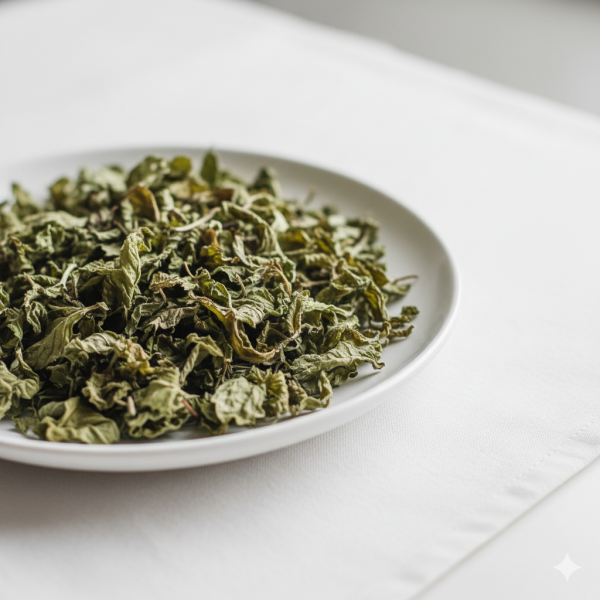
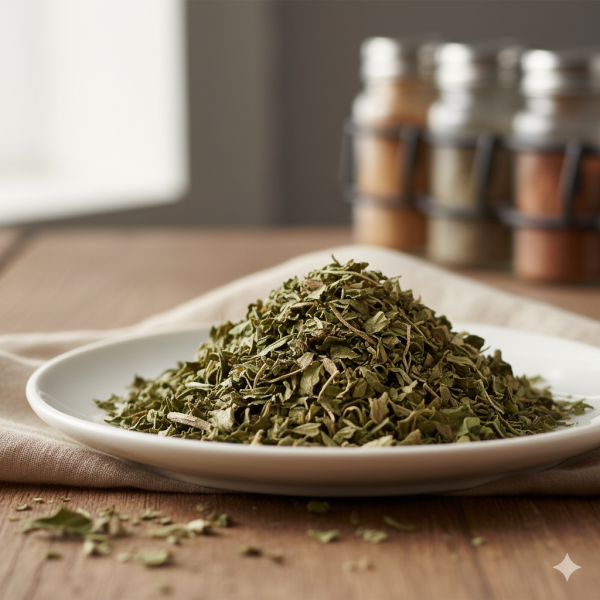
  • Dried coriander leaves – Available but much less aromatic than fresh.


Additional Information / Fun Facts

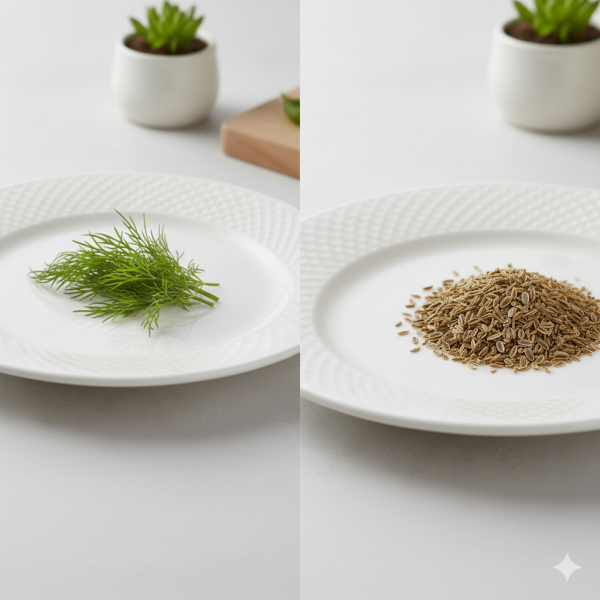
  • The entire coriander plant is edible – roots, stems, leaves, and seeds. In Thai cooking, the roots are often used for curry pastes.
  • Genetic factors influence taste – around 10% of people worldwide perceive coriander leaves as tasting like soap due to aldehyde compounds.
  • Coriander is one of the oldest known herbs, with evidence of use dating back to 5000 BC in the Mediterranean and ancient Egypt.
  • In Ayurveda, coriander leaves are valued for cooling the body and balancing digestion.
  • The leaves lose flavor quickly when cooked, which is why they are usually added at the end of cooking or as garnish.

Quick Facts

  • Botanical Name: Coriandrum sativum
  • Family: Apiaceae (Parsley family)
  • Flavor Profile: Fresh, citrusy, slightly peppery, with herbal notes
  • Origin: Mediterranean & Middle Eastern regions, now global
  • Other Names: Cilantro (US, Canada), Chinese Parsley, Dhania (India)
  • Storage: Fresh leaves last 3–5 days in refrigeration; can also be chopped and frozen in ice cubes with water or oil
  • Cooking Tip: Add just before serving to preserve bright flavor
Select the fields to be shown. Others will be hidden. Drag and drop to rearrange the order.
  • Image
  • SKU
  • Rating
  • Price
  • Stock
  • Availability
  • Add to cart
  • Description
  • Content
  • Weight
  • Dimensions
  • Additional information
Click outside to hide the comparison bar
Compare