Eastland Ingredients

Sage


Latin (botanical) name : Salvia officinalis
Introduction / Overview

Sage (Salvia officinalis) is a perennial, evergreen herb from the mint family (Lamiaceae), native to the Mediterranean region. Recognized for its earthy, slightly peppery flavor with hints of lemon and eucalyptus, sage has been used for centuries in both culinary and medicinal traditions.

It is a hardy herb with soft, gray-green leaves, often associated with festive cooking, especially in European and American cuisine.


Key Benefits
  • Rich in antioxidants – Protects the body from oxidative stress.
  • Supports digestion – Traditionally used to relieve indigestion and bloating.
  • Cognitive health – May enhance memory and concentration.
  • Anti-inflammatory – Helps soothe sore throats and reduce inflammation.
  • Oral health – Used in natural mouthwashes due to antibacterial properties.

Where It’s Used (Culinary Applications)
  • Stuffing & roasts – Classic herb for turkey, chicken, and pork stuffing.
  • Soups & stews – Adds depth to broths and slow-cooked dishes.
  • Pasta & gnocchi – Famous in Italian cuisine, e.g., “sage butter sauce” for gnocchi.
  • Herbal teas – Brewed for calming and digestive benefits.
  • Seasoning blends – Key ingredient in poultry seasoning and Mediterranean spice mixes.

Our Products

* Sage

* Sage Ground

* Sage Rubbed Turkish

Category:

Description


Available Forms

  • Fresh leaves – Used whole or chopped in cooking.
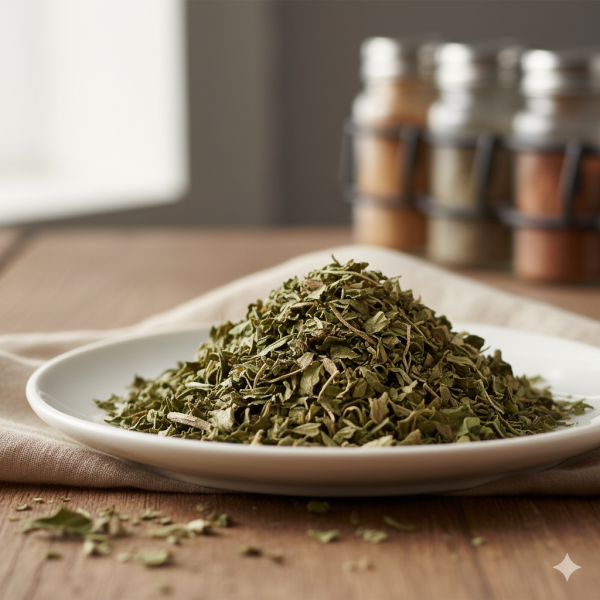
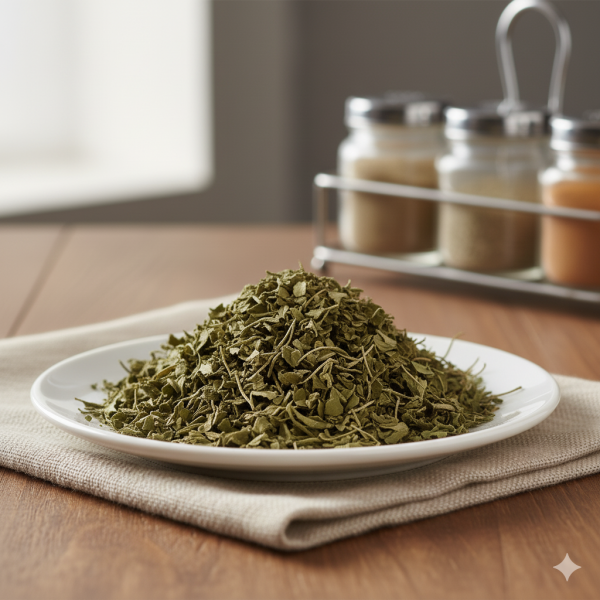
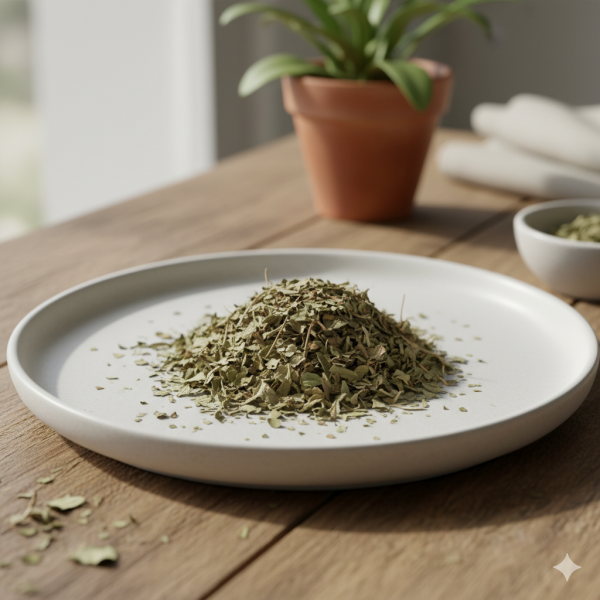
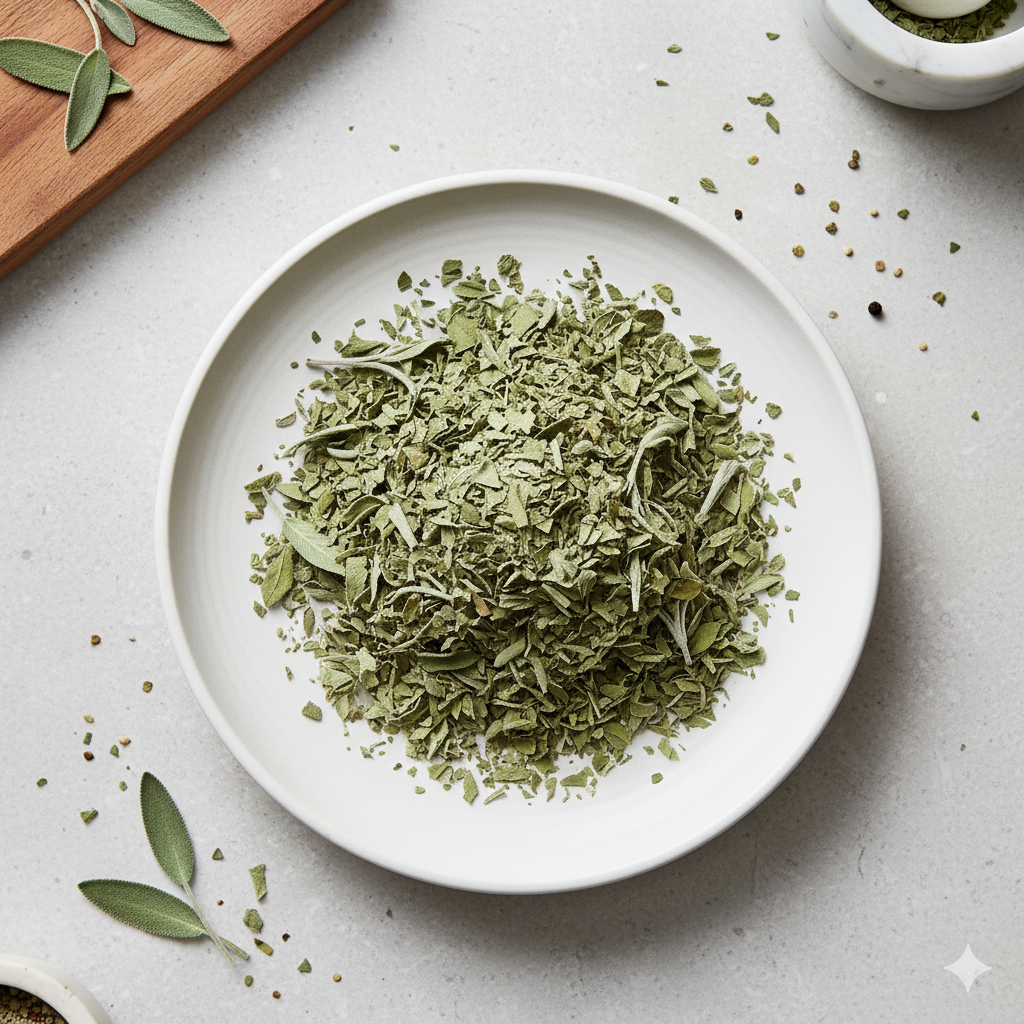
  • Dried leaves – Commonly available for long-term storage.
  • Powdered sage – Used in spice blends and marinades.
  • Sage oil/extracts – For medicinal and aromatherapy purposes.

Additional Information / Fun Facts

  • The name “sage” comes from the Latin word “salvare”, meaning to heal.
  • Ancient Romans considered sage a sacred herb and used it in ceremonies.
  • Sage tea was traditionally drunk in Europe as a remedy for longevity.
  • During the Middle Ages, sage was valued as highly as gold due to its medicinal properties.
  • White sage is often burned in smudging rituals for purification in Native American traditions.
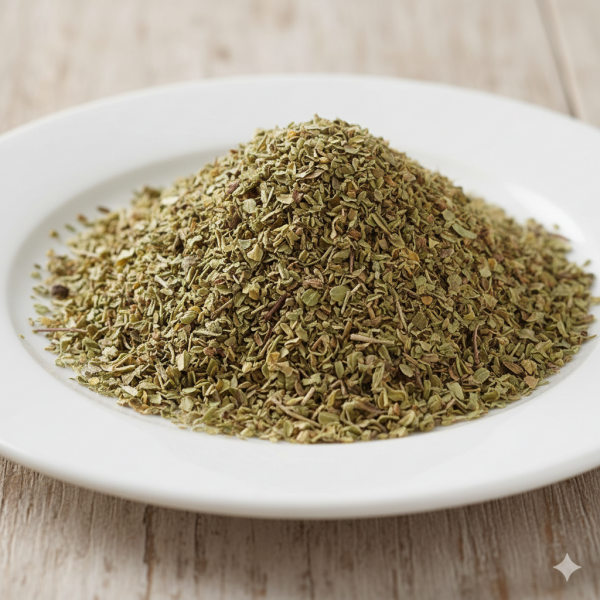


Quick Facts

  • Botanical Name: Salvia officinalis
  • Family: Lamiaceae (Mint family)
  • Flavor Profile: Earthy, peppery, slightly lemony, with eucalyptus notes
  • Origin: Mediterranean region
  • Storage:
    • Fresh: Refrigerate wrapped in paper towel (lasts ~1 week).
    • Dried: Store in airtight container, away from light and heat.
  • Cooking Tip: Sage has a strong flavor – use sparingly, as it can overpower other herbs.
 
Select the fields to be shown. Others will be hidden. Drag and drop to rearrange the order.
  • Image
  • SKU
  • Rating
  • Price
  • Stock
  • Availability
  • Add to cart
  • Description
  • Content
  • Weight
  • Dimensions
  • Additional information
Click outside to hide the comparison bar
Compare