Eastland Ingredients

Bay Leaves

Latin (botanical) name : Laurus nobilis

Introduction / Overview

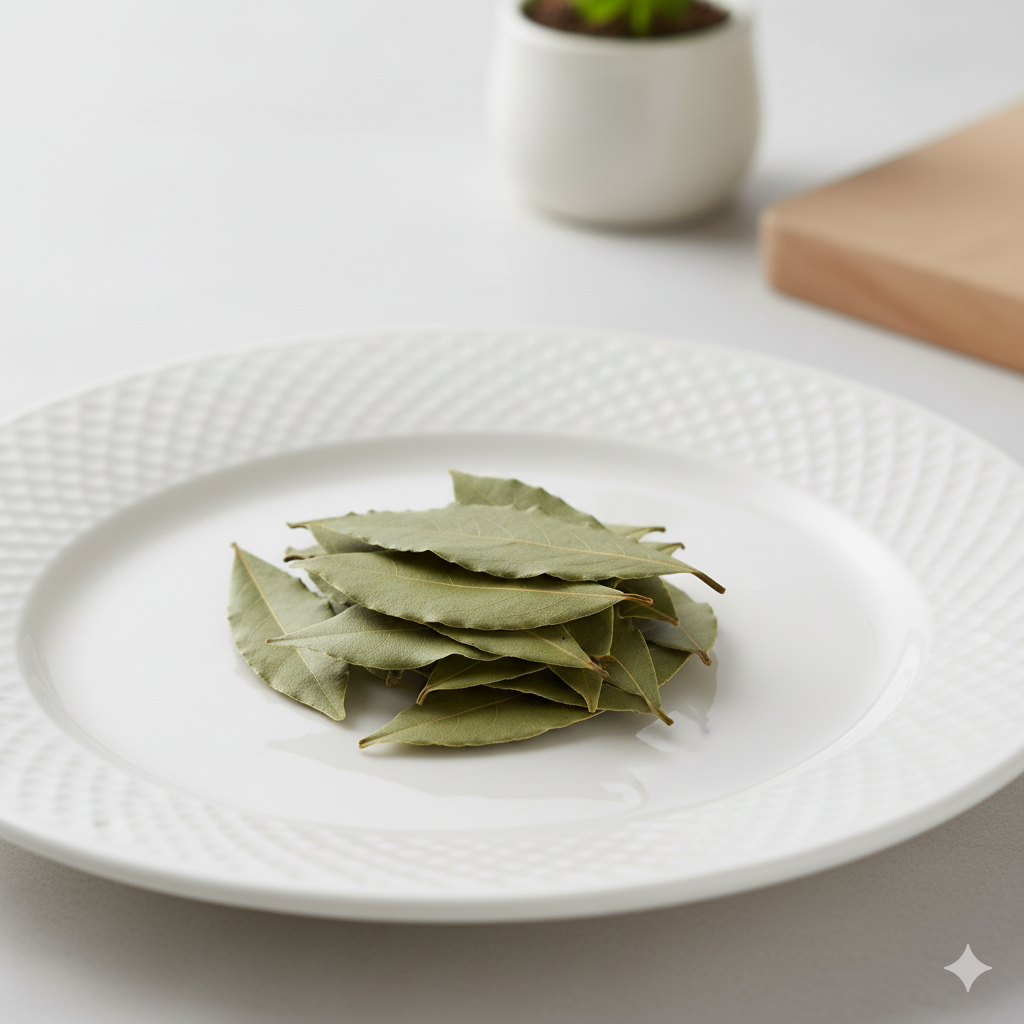
Bay leaves are aromatic leaves commonly used as a seasoning in cooking. They come from the bay laurel tree (Laurus nobilis), a small evergreen native to the Mediterranean region. Bay leaves have been valued for thousands of years not only as a culinary flavoring but also for their symbolic role in ancient cultures—Greek and Roman traditions associated bay wreaths with victory and honor.

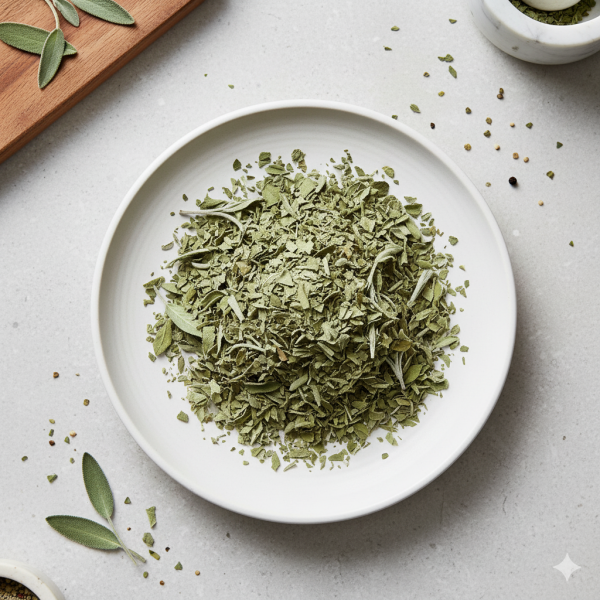
When dried, the leaves release a subtle, herbal, and slightly floral aroma with notes of pine, clove, and eucalyptus.


Key Benefits

  • Digestive aid – Traditionally used to ease bloating, indigestion, and improve gut health.
  • Rich in antioxidants – Contains compounds like caffeic acid and rutin that help fight oxidative stress.
  • Anti-inflammatory properties – Eugenol and other essential oils support joint and muscle health.
  • Supports heart health – Some studies suggest compounds in bay leaves may help regulate blood sugar and cholesterol.
  • Immune booster – Contains vitamin A, vitamin C, and small amounts of iron, calcium, and magnesium.

Where It’s Used (Culinary Applications)

  • Soups and stews – Added whole and removed before serving, for subtle depth of flavor.
  • Rice dishes – Essential in biryanis, pilafs, and pulao, especially in Indian cuisine.
  • Sauces and curries – Common in tomato sauces, curries, and braised dishes.
  • Marinades – Used with meats and fish for aroma and tenderization.
  • Pickling and preserves – Enhances flavor in pickles, chutneys, and stocks.
  • Beverages – Sometimes infused in teas and spiced drinks for its medicinal properties.

    Our Products

    * Bay leaves

    * Bay leaves HT


Category:

Description

Available Forms

  • Whole dried leaves – The most widely used form for cooking.
  • Fresh leaves – Less common, milder in flavor, usually from backyard gardens.
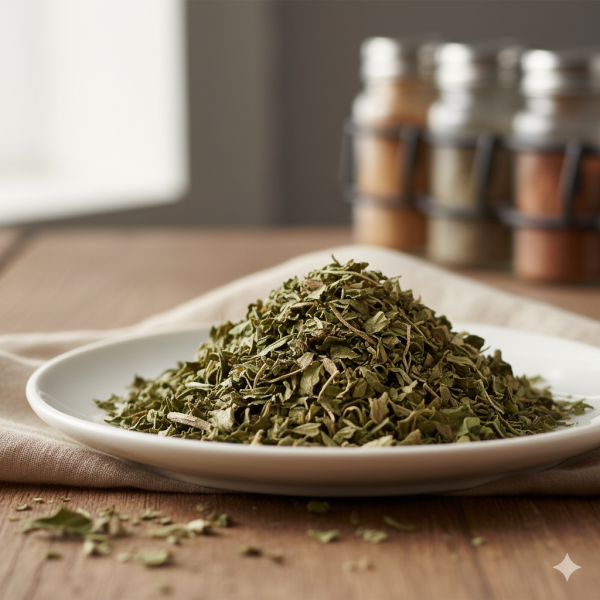
  • Ground bay leaf powder – Used in spice blends but less common due to intense flavor.
  • Bay leaf oil / extracts – Used in aromatherapy, herbal remedies, and perfumery.

Additional Information / Fun Facts

  • In ancient Rome, victorious generals and athletes were crowned with bay wreaths as a symbol of success.
  • Bay leaves were considered sacred to the god Apollo in Greek mythology.
  • The flavor of bay leaves intensifies over time when simmered, so they are typically cooked for long durations.
  • There is a difference between Mediterranean bay leaves (Laurus nobilis) and Indian bay leaves (Cinnamomum tamala):
    • Mediterranean bay leaves are shorter, oval, and have a milder eucalyptus-like flavor.
    • Indian bay leaves are longer, with three distinct veins, and taste closer to cinnamon.
  • Bay leaves are inedible whole (too tough and sharp), so they are always removed before eating.

Quick Facts

  • Botanical Name: Laurus nobilis (true bay laurel)
  • Family: Lauraceae
  • Flavor Profile: Herbal, slightly floral, with pine, eucalyptus, and clove notes
  • Origin: Mediterranean region
  • Varieties: Mediterranean bay leaf, Indian bay leaf (Cinnamomum tamala)
  • Storage: Keep dried leaves in an airtight container away from light for up to a year
  • Cooking Tip: Best added early in cooking to allow flavor to infuse gradually
 
Select the fields to be shown. Others will be hidden. Drag and drop to rearrange the order.
  • Image
  • SKU
  • Rating
  • Price
  • Stock
  • Availability
  • Add to cart
  • Description
  • Content
  • Weight
  • Dimensions
  • Additional information
Click outside to hide the comparison bar
Compare