Eastland Ingredients

Basil

Latin (botanical) name : Ocimum basilicum
Introduction / Overview

Basil is a fragrant herb belonging to the mint family (Lamiaceae). Known for its sweet aroma and slightly peppery flavor, it is one of the most widely used culinary herbs across the world. Native to tropical regions of Asia and Africa, basil has become a staple in Mediterranean, Italian, and Southeast Asian cuisines.


Key Benefits
  • Rich in antioxidants – Contains flavonoids and essential oils that help reduce oxidative stress.
  • Anti-inflammatory properties – Compounds like eugenol can help reduce inflammation.
  • Supports digestion – Traditionally used to soothe the stomach and aid healthy digestion.
  • Immune support – Contains vitamins A, C, and K, as well as trace minerals like iron and calcium.
  • Stress relief – In Ayurvedic medicine, varieties like holy basil (tulsi) are used as adaptogens.

Where It’s Used (Culinary Applications)
  • Italian cuisine – Fresh basil is the star ingredient in pesto, Caprese salad, and pasta sauces.
  • Mediterranean dishes – Added to soups, stews, and vegetable dishes for flavor enhancement.
  • Asian cuisines – Thai and Vietnamese dishes often use Thai basil, which has a slightly spicier, licorice-like flavor.
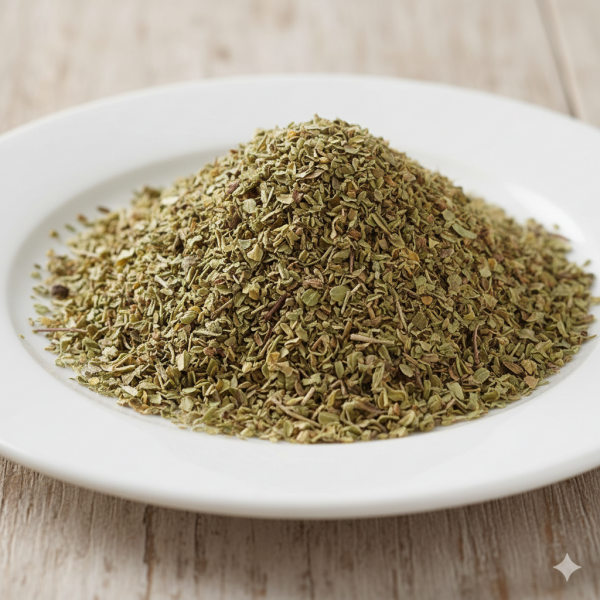
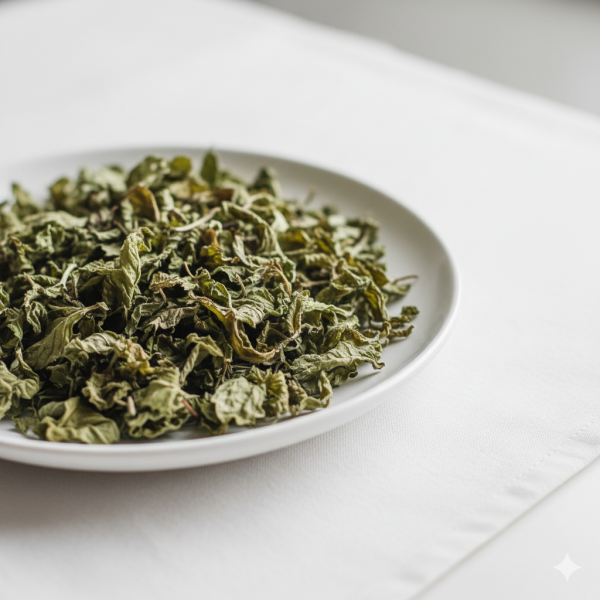
  • Beverages – Infused in teas, cocktails, and refreshing drinks for an aromatic twist.Our Products* Basil Rubbed* Basil Rubbed HT

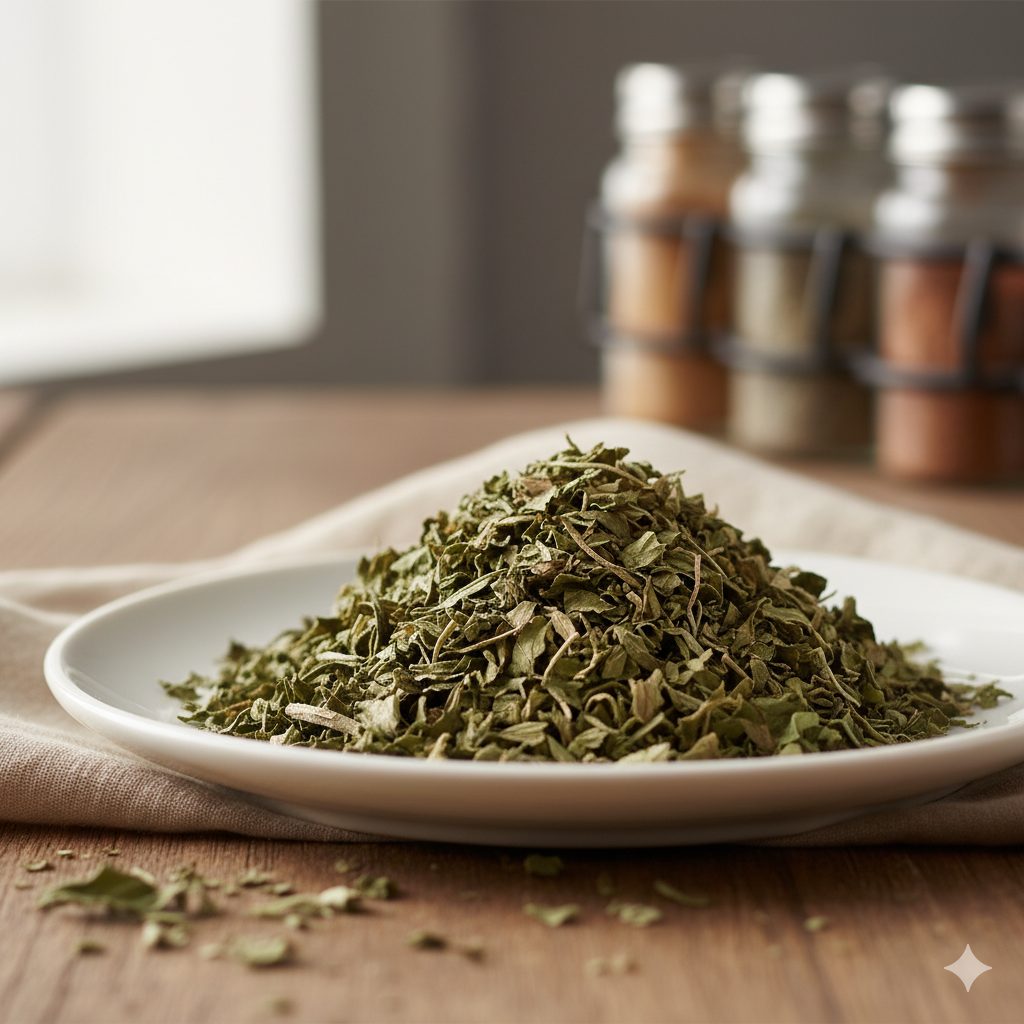
    * Basil Ground HT


Category:

Description

Available Forms

  • Fresh leaves – Most common, used raw or cooked.
  • Dried basil – Convenient option for cooking and seasoning blends.
  • Basil paste/puree – Ready-to-use for sauces and marinades.
  • Essential oil – Used in aromatherapy and natural remedies.
  • Frozen basil cubes – Preserves flavor for long-term use.

Additional Information / Fun Facts

  • Basil is sometimes referred to as the “King of Herbs,” derived from the Greek word basileus (meaning “king”).
  • In Hindu culture, holy basil (tulsi) is considered sacred and used in rituals as well as herbal medicine.
  • Different varieties exist worldwide – sweet basil, Thai basil, lemon basil, and purple basil.
  • Basil loses much of its flavor when dried, so fresh basil is preferred in many recipes.

Quick Facts

  • Botanical Name: Ocimum basilicum
  • Family: Lamiaceae (Mint family)
  • Flavor Profile: Sweet, slightly peppery, sometimes with hints of clove or anise (variety dependent)
  • Origin: Tropical regions of Asia and Africa
  • Popular Varieties: Sweet basil, Thai basil, Lemon basil, Purple basil
  • Storage: Fresh basil best kept refrigerated or frozen; dried basil stored airtight away from light
Select the fields to be shown. Others will be hidden. Drag and drop to rearrange the order.
  • Image
  • SKU
  • Rating
  • Price
  • Stock
  • Availability
  • Add to cart
  • Description
  • Content
  • Weight
  • Dimensions
  • Additional information
Click outside to hide the comparison bar
Compare